
The Great Gentle Sensitive Skin Showdown: Nivea vs. Aveeno for

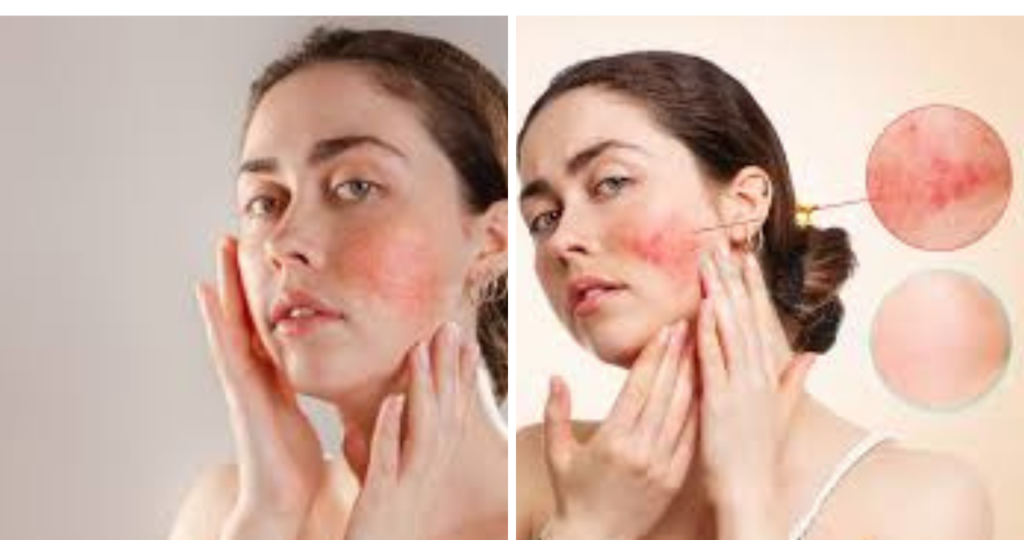
Navigating the world of skincare when you have sensitive skin can often feel like walking through a minefield blindfolded. One wrong product choice and you are left with a face full of redness, a tight feeling that makes you want to hide, or a patchy texture that defies all logic. It is a frustrating experience, particularly when you are just trying to provide your skin with basic hydration. For decades, two giants have dominated the drugstore aisles, promising relief and moisture: Nivea and Aveeno. Both are household names, but they approach skincare from fundamentally different philosophies. If you have sensitive skin and are trying to decide between the iconic blue tins of Nivea and the soothing green hues of Aveeno, you are likely looking for more than just a brand name. You are looking for a sanctuary for your complexion.
The question of “gentleness” is incredibly subjective when it comes to dermatology. What feels like a gentle hug to one person’s skin might feel like an abrasive assault to another’s. This is why understanding the formulation science behind these two brands is so crucial. Nivea, a German powerhouse, relies heavily on a specific lanolin-based formula that has remained largely unchanged for over a century. Aveeno, on the other hand, leans into the natural healing properties of colloidal oatmeal, a staple in dermatological recommendations for eczema and irritation. To declare a winner in a vacuum would be impossible; instead, we must dissect how each brand interacts with the skin’s barrier, its microbiome, and its unique triggers. This article aims to be your comprehensive guide, breaking down the science, the ingredients, and the real-world experiences of those who have dared to test these creams on their most sensitive areas.
Understanding the Sensitive Skin Conundrum
Before we dive into the specifics of each brand, it is vital to understand what “sensitive skin” actually means in a clinical context. Often, people use the term to describe a condition, but dermatologists view it more as a symptom of an underlying issue. Typically, sensitive skin indicates a compromised skin barrier. The stratum corneum, which is the outermost layer of our skin, acts as a brick wall. The skin cells are the bricks, and the lipids are the mortar. When this mortar is weak or compromised, irritants, allergens, and bacteria can easily sneak through the cracks, leading to inflammation, dryness, and redness. This barrier weakness can be genetic, or it can be induced by environmental factors, harsh skincare routines, or aging.
Furthermore, sensitive skin often correlates with a heightened nerve response. This means that even if a product isn’t technically irritating on a chemical level, the nerve endings in the skin might react to certain textures, temperatures, or ingredients, causing a sensation of burning or stinging. This is why testing a product on a small patch of skin is always recommended. For those with this skin type, the goal of any moisturizer is twofold: to provide intense hydration to fill the gaps in the barrier and to soothe the nerves to prevent that reactive flare-up. A gentle cream, therefore, must be free from common irritants like synthetic fragrances, harsh alcohols, and certain preservatives, while being rich in occlusives and emollients to lock moisture in and keep irritants out.
The Nivea Legacy: The Blue Tin Icon
Nivea’s story is one of skincare history. The brand’s iconic Creme, often referred to simply as “the blue tin,” has been a staple in households for over a century. Its formulation, developed by Paul Carl Beiersdorf in 1911, was a groundbreaking creation at the time. The core of its success lies in its water-in-oil emulsion, which is a type of formulation that is incredibly rich and heavy. This specific emulsion type is crucial for very dry skin because it creates a dense, occlusive layer on top of the skin that prevents water from evaporating. This is the “protective” aspect of the cream, creating a physical barrier against the elements.
However, the secret sauce—or the source of controversy—in Nivea Creme is its inclusion of lanolin. Lanolin is a wax secreted by the sebaceous glands of wool-bearing animals, essentially acting as a waterproofing agent for sheep. It is a fantastic emollient that closely mimics human skin lipids, making it highly effective at softening the skin. The problem? Lanolin is a known allergen for a significant portion of the population. While pure lanolin is generally safe, impurities in the extraction process can cause allergic contact dermatitis in susceptible individuals. This is why Nivea often receives mixed reviews from the sensitive skin community; for some, it is a miracle cure for winter chapping, while for others, it is a one-way ticket to a breakout or rash.
The Aveeno Approach: The Power of Oats
Aveeno, on the other hand, built its empire on a foundation of natural ingredients, specifically colloidal oatmeal. The brand was founded on the discovery that finely ground oats could soothe irritated skin. Colloidal oatmeal is recognized by the U.S. Food and Drug Administration as a skin protectant. This is a significant endorsement that places Aveeno in a unique category of over-the-counter skincare. The science behind colloidal oatmeal is robust; it contains avenanthramides, which are phenolic compounds that exhibit potent anti-inflammatory properties. This means that instead of just sitting on top of the skin to prevent moisture loss, Aveeno actually works to calm the inflammation already present in the skin.
This is a fundamental difference in approach. Nivea is largely about prevention and occlusion—keeping the bad stuff out and the good stuff in. Aveeno is about active repair and soothing—calming the skin down from an already irritated state. Because of this soothing mechanism, Aveeno has become a go-to recommendation for dermatologists treating conditions like eczema, psoriasis, and severe dryness. The formulations are generally free from fragrances and lanolin, making them statistically “safer” for a broader range of sensitive skin types. However, just because something is natural and soothing for most doesn’t mean it’s universally perfect. Some users find that the heavier oat-based creams can feel gritty or leave a residue, while others might even have a rare allergy to oats themselves.
Breaking Down the Formulations
To truly understand the gentleness of these products, we need to look at the ingredient lists. Nivea Creme (the classic version) boasts a relatively short list of ingredients. Water is the primary component, followed by mineral oil, petrolatum, and lanolin alcohol. These heavy occlusives are why the cream is so effective in harsh weather. It also contains glycerin, a humectant that draws water into the skin. However, lurking in the list is “Parfum” or fragrance. This is a red flag for many with sensitive skin. Fragrance is one of the leading causes of contact dermatitis, and even if it doesn’t cause a visible rash, it can lead to chronic low-grade inflammation. Furthermore, the presence of lanolin alcohol, while a great moisturizer, carries that risk of allergic reaction.
In contrast, Aveeno’s Eczema Therapy Moisturizing Cream, for example, starts with water but then immediately lists colloidal oatmeal as its active ingredient. Following that, it contains glycerin, petrolatum, and dimethicone. Dimethicone is a silicone-based polymer that provides a smooth, silky feel and helps to protect the skin. Notably, the list omits fragrance, lanolin, and parabens. It uses a preservative system that is generally considered gentler. While Nivea uses a heavy oil-based system that can clog pores in acne-prone individuals, Aveeno generally relies on lighter, non-comedogenic ingredients. This doesn’t mean Nivea is “bad” or Aveeno is “good”; it simply means they cater to different needs. Nivea is for the person whose skin is so dry that it cracks in winter, whereas Aveeno is for the person whose skin is red, itchy, and reactive year-round.
Sensitive Skin Reactions: What to Look For
If you have sensitive skin, the sign of a product not working for you is usually immediate. The most common reactions are erythema (redness), a sensation of tightness after application, or a stinging/burning feeling that lasts more than a few seconds. With Nivea, the most common negative reaction is often linked to the fragrance or the lanolin. People often report a burning sensation upon application if their skin barrier is severely compromised, or they might develop small, red bumps within a few hours. These bumps are often a sign of an allergic reaction or a clogged pore, as the heavy occlusive nature of Nivea can trap bacteria if the skin isn’t cleansed properly beforehand.
With Aveeno, the reactions are often less about allergy and more about texture sensitivity. Because of the colloidal oatmeal, some people feel the cream sits on top of the skin rather than sinking in, leading to a “film” that they find uncomfortable. However, in terms of true allergic reactions, Aveeno is widely tolerated. The primary risk is for the rare individuals who have an oat allergy or sensitivity to certain alcohols used as carriers. It is also worth noting that for individuals with open sores or weeping eczema, the application of any cream—even a gentle one—can cause stinging due to the water content interacting with the broken skin. Understanding these nuances is key to selecting the right product for your specific manifestation of sensitivity.
The Role of Fragrance in Sensitive Skin
The fragrance debate is perhaps the most critical differentiator between Nivea and Aveeno. Nivea’s classic scent is iconic; it is nostalgic and comforting to many. However, from a dermatological standpoint, fragrance is a non-negotiable no-go for a large segment of sensitive skin sufferers. Fragrance blends are notoriously complex, often consisting of dozens of undisclosed chemical compounds. These can trigger a Type IV hypersensitivity reaction, which is a delayed allergic response mediated by T-cells. This means you might use the cream for days or even weeks before suddenly developing a rash, making it incredibly difficult to pinpoint the culprit.
Aveeno’s decision to omit fragrance from its core sensitive skin lines is a strategic and scientifically sound one. By eliminating this common irritant, they lower the risk threshold significantly. However, it is important to note that “unscented” is not the same as “fragrance-free.” Some products add masking fragrances to hide the chemical smell of ingredients. Aveeno specifically markets “fragrance-free,” meaning no added perfumes. For someone with sensitive skin, this distinction is crucial. While the lack of fragrance makes Aveeno safer, many users miss the sensory experience of a nice-smelling cream, which is part of why Nivea retains such a loyal following among those who can tolerate it.
Occlusives vs. Humectants: The Science of Hydration
When we discuss how gentle a cream is, we often focus on what it lacks (fragrance, alcohol), but we must also look at how it hydrates. The mechanism of hydration is divided into humectants, emollients, and occlusives. Nivea Creme is primarily an occlusive. It uses petrolatum and mineral oil to create a thick, greasy film that physically blocks water loss. This is incredibly effective for trans-epidermal water loss (TEWL). However, if your skin is dehydrated (lacking water) rather than just dry (lacking oil), an occlusive alone might not be sufficient. It locks in whatever moisture is there, but if there isn’t any moisture to begin with, it won’t help.
Aveeno, while also containing occlusives like petrolatum, places a greater emphasis on humectants and emollients. Glycerin draws water into the skin from the environment, while the oatmeal itself provides soothing emollience. This creates a more balanced approach to hydration. It addresses the lack of water and the lack of oil simultaneously. For sensitive skin, this balanced approach is often gentler because it doesn’t rely solely on a heavy, suffocating layer. It actively works to restore the skin’s natural moisture balance rather than just sealing it off. This is why Aveeno often feels lighter on the skin, even though it is still incredibly effective for dry skin conditions.
Texture and Application: Does Touch Matter?
Believe it or not, the texture of a cream can impact its gentleness. Sensitive skin is often reactive to physical friction. Nivea Creme is notoriously thick and difficult to spread. It has a dense, waxy consistency that requires you to warm it up in your hands before applying it. This warming process is necessary, but it also means you are often rubbing your skin more vigorously than you would with a lighter cream. This physical friction, or “trauma,” can be enough to trigger redness in highly reactive skin. If you have sensitive skin, you know that even the act of washing your face can leave you looking flushed.
Aveeno creams, particularly the lotions, tend to have a more “spreadable” texture. They are silky and glide easily over the skin. This reduces the need for rubbing and pulling, which is a subtle but important factor in maintaining skin integrity. Furthermore, the sensory experience of a product—how it makes your skin feel as it absorbs—can influence your perception of its effectiveness. A heavy, greasy feeling might make a person with oily-sensitive skin feel like they are suffocating, while a person with very dry-sensitive skin might find that comforting. Understanding your skin’s preference for texture is just as important as understanding the ingredient list.
The Moisture Barrier: Nivea’s Protective Shield
One of Nivea’s greatest strengths is its ability to act as a robust protective shield. Because of the high concentration of petrolatum, it is unmatched in its ability to protect the skin from harsh environmental factors like wind and cold. This is why many people swear by it as a “winter cream.” For individuals living in extreme climates, Nivea is often the only thing that prevents their hands and face from cracking. This protective action is a form of gentleness in itself. If you can prevent the irritation from happening in the first place, you are being gentle to your skin by avoiding the need for a “rescue” product later on.
However, this shield comes with a caveat. Petrolatum is a byproduct of crude oil. While it is highly refined and safe for cosmetic use in most countries, some consumers prefer to avoid it for environmental or personal reasons. Furthermore, a barrier that is too effective can also trap irritants against the skin. If you apply Nivea over a face that hasn’t been thoroughly cleansed, you risk sealing in dirt, makeup, and bacteria, which can lead to breakouts or perioral dermatitis. Therefore, the gentleness of Nivea is highly dependent on proper skin preparation. It requires a meticulous routine to ensure that what you are sealing in is beneficial, not harmful.
The Soothing Mechanism: Aveeno’s Active Repair
Aveeno’s gentleness is more active. It doesn’t just protect; it repairs. The active phytochemicals in colloidal oatmeal are the key to this. As mentioned, avenanthramides have a specific ability to inhibit the production of pro-inflammatory cytokines. In plain English, they tell your immune cells to calm down. This is crucial for sensitive skin, which often has an overactive immune response to stimuli. By disrupting the inflammation cycle, Aveeno helps to break the itch-scratch cycle that plagues people with eczema and dry skin.
Moreover, the oat lipids present in Aveeno products help to replenish the skin’s natural barrier lipids. They act as a “patch” for the cracks in the skin barrier. This is a very gentle repair process. Instead of overwhelming the skin with heavy oils, it provides the building blocks the skin needs to heal itself. This is why many dermatologists prefer to recommend Aveeno for conditions like eczema over a pure occlusive like Nivea. While Nivea might stop the moisture loss, it doesn’t do much to solve the underlying inflammation that caused the moisture loss in the first place. Aveeno addresses both the symptom (dryness) and the cause (inflammation).
Beyond the Cream: Body Washes and Cleansers
Gentleness isn’t just about the moisturizer you put on; it’s about the entire routine, especially the cleanser. Bar soaps and harsh body washes can strip the skin of its natural oils, leaving it dry and tight before you even apply the moisturizer. Nivea offers a range of body washes that are formulated with their signature moisturizing ingredients. However, some of these washes contain sulfates, which are surfactants that can be stripping and irritating to sensitive skin. It is crucial for a sensitive skin user to check if the Nivea wash is a soap-free, syndet (synthetic detergent) bar.
Aveeno’s body washes are often built on a gentler surfactant system. They frequently feature ingredients like sodium lauroyl oat amino acids and other oat-derived cleansers. These are much milder and often have a neutral pH, which is closer to the skin’s natural acidic pH. A high pH cleanser can disrupt the “acid mantle” of the skin, leading to irritation. By using a gentle, non-stripping wash, you set the stage for the moisturizer to work more effectively. This holistic approach makes the Aveeno routine generally more accommodating to sensitive skin than Nivea’s routine, which sometimes requires a bit more caution in the cleansing phase.
The Acne-Sensitive Skin Dilemma
A frequent question that arises is: “I have sensitive skin, but I also break out. Which is better?” This is a tough one. Nivea Creme, because of its heavy, occlusive nature, is considered highly comedogenic by many dermatologists. The risk of clogged pores is significant. If you have sensitive skin that is also prone to acne, Nivea is likely a recipe for disaster. The heavy oils, combined with the sealing effect, create an ideal environment for C. acnes bacteria to thrive. While it will fix the dryness, it will likely cause a breakout, which then requires acne treatment, which then dries out the skin, creating a vicious cycle.
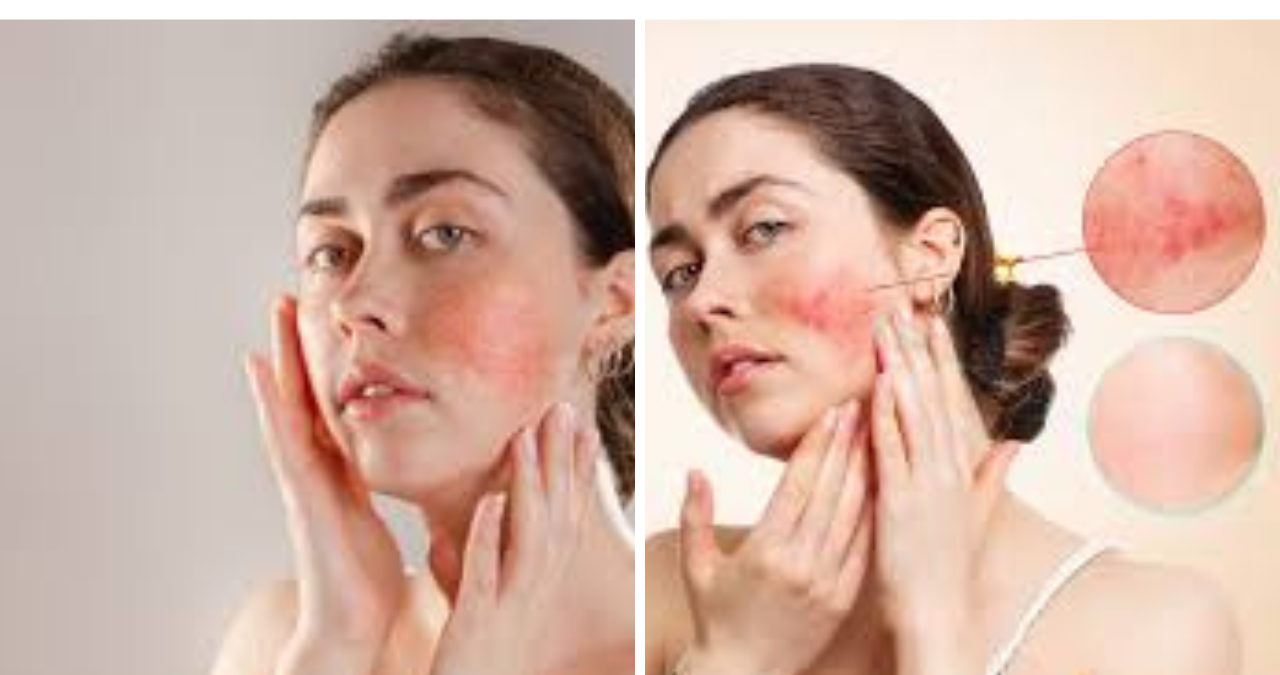
Aveeno generally offers better options for acne-prone sensitive skin. Look for the “Ultra-Calming” or “Clear Complexion” lines, which often include salicylic acid alongside the soothing oats. The salicylic acid helps to unclog pores, while the oats prevent the irritation that usually accompanies salicylic acid use. The formulations are much lighter than Nivea’s classic cream, often using dimethicone as a carrier, which is non-comedogenic. While Aveeno isn’t a dedicated acne treatment, its formulations are less likely to exacerbate breakouts compared to Nivea. Therefore, for the combination of sensitivity and acne, Aveeno takes a clear lead.
The Economics of Gentle Skincare
Cost is often a deciding factor. Nivea is famously affordable. You can get a massive tin of the stuff for a very low price, and because it is so rich, a little goes a long way. This makes it accessible to a wide range of consumers. However, if you are one of the unlucky ones who reacts to it, that “cheap” cream becomes expensive waste. Furthermore, you have to factor in the cost of treating the reaction. If Nivea causes a flare-up, you might need to buy an additional soothing cream or see a doctor, negating the savings.
Aveeno is generally more expensive per ounce. However, the price reflects the inclusion of active ingredients (colloidal oatmeal) and the exclusion of common irritants. For someone with sensitive skin, this premium is often worth paying for the peace of mind. It reduces the risk of reaction, which ultimately saves money on wasted products and dermatologist visits. While Nivea is undoubtedly better value for those who can tolerate it, Aveeno offers better value for those who cannot. It’s a classic case of paying for reliability over quantity.
Nivea Soft vs. Nivea Creme: A Subtle Difference
Within the Nivea family, it is important to distinguish between the Classic Creme (blue tin) and Nivea Soft (white tub). Nivea Soft is a lighter formula that includes jojoba oil and vitamin E. It is less thick and greasy than the classic cream. Importantly, it is also formulated to have a milder fragrance, although it is still present. Many people with oily or combination sensitive skin prefer Nivea Soft because it absorbs faster and doesn’t leave as heavy a residue. However, it still contains lanolin and fragrance, so the allergic risk remains.
For the sensitive skin user, Nivea Soft often presents a better “first try” than the Classic Creme. The lighter texture means you are less likely to clog pores, and the milder scent might not trigger a reaction as quickly. However, it is still a water-in-oil emulsion, just with a different ratio. The soothing properties are negligible compared to Aveeno, as it doesn’t contain any specific anti-inflammatory ingredients. It relies entirely on the occlusive properties of its oils. So, while Nivea Soft is “gentler” than the Classic Creme in terms of texture and clogging potential, it is not necessarily “gentler” for allergic or inflammatory conditions.
Aveeno Baby: The Ultimate Gentleness Test
A good way to gauge a brand’s gentleness is to look at its baby line. Aveeno Baby is incredibly popular and widely recommended by pediatricians. These formulations are usually fragrance-free and dye-free and contain a high concentration of colloidal oatmeal. They are specifically designed for the underdeveloped, highly sensitive skin barrier of infants. If a product is safe enough for a baby’s bottom or a child with eczema, it is generally considered safe for adult sensitive skin. The Aveeno Baby Eczema Therapy line is often identical to the adult version, just with a different label.
Nivea also has a Baby line, but it is less universally recommended in the medical community. The Nivea Baby products often contain fragrances, which many parents avoid for newborns due to the risk of respiratory irritation and contact dermatitis. While they are generally safe, the inclusion of fragrance makes them less “universally gentle” than Aveeno Baby. If you are looking for the cream with the lowest possible risk of irritation, the Aveeno Baby line is the gold standard. It represents the culmination of the brand’s philosophy: gentle, soothing, and purpose-built for the most vulnerable skin.
The Impact of Climate on Cream Selection
Your geographical location plays a surprising role in determining which cream is “gentler” for you. In humid climates, a heavy occlusive like Nivea Creme can be uncomfortable and suffocating, leading to heat rash or fungal infections (like pityrosporum folliculitis) due to the trapped moisture and heat. In this environment, the lighter, water-based formulations of Aveeno are much more comfortable and less likely to cause issues. The colloidal oatmeal absorbs excess moisture while hydrating, providing a balancing effect.
Conversely, in dry, cold climates, Nivea Creme truly shines. The heavy occlusive layer is necessary to survive arctic winds. Aveeno might not be heavy enough to prevent chapping in extreme conditions, forcing you to apply it more frequently. In these conditions, “gentleness” is defined by the ability to prevent cracking. A cracked, bleeding skin barrier is more painful and problematic than the risk of a mild reaction to lanolin. So, while Aveeno is generally better for sensitive skin, Nivea is often the better choice for sensitive skin in extreme cold. This contextual aspect is often overlooked but is crucial for making an informed choice.
User Experiences: The Anecdotal Evidence
Scrolling through online forums reveals a clear divide. You will find legions of loyal Nivea users who claim the blue tin is the only thing that saves their skin in winter. They call it a miracle worker. However, you will also find just as many, if not more, reviews that say Nivea burns their face on contact. The common thread among the negative reviews is often a reference to the “stinging” sensation. Conversely, Aveeno reviews are usually more uniformly positive, though often less passionately so. Users describe it as “reliable,” “calming,” and “safe.” They don’t necessarily rave about it changing their life, but they praise its consistency.
This anecdotal evidence supports the scientific formulation. Nivea is a “risk vs. reward” product. If you tolerate it, the reward is fantastic. If you don’t, the reaction can be severe. Aveeno is a “low risk, reliable reward” product. It might not be the most luxurious feeling cream, but it is safe and effective for a vast majority. For expert advice, if you have a history of reacting to fragrances or lanolin, do not risk Nivea. If you have a history of extreme winter dryness and no known allergies, Nivea might be worth the risk. For the safe bet, always lean towards Aveeno.
Comparing Specific Product Lines
To be specific, we must compare the flagship products. Nivea Creme (blue tin) vs. Aveeno Eczema Therapy Moisturizing Cream. The Nivea provides 48-hour moisture, is water-in-oil, and contains fragrance and lanolin. The Aveeno provides 24-hour moisture, is oil-in-water (lighter), contains colloidal oatmeal (active), and is fragrance-free. For a facial moisturizer, Nivea Soft vs. Aveeno Ultra-Calming Daily Moisturizer. Nivea Soft has a lighter texture but still contains fragrance. Aveeno Ultra-Calming contains feverfew, which is a plant extract known for its anti-inflammatory properties, specifically targeting redness.
If you have sensitive skin that leans oily, the Nivea Soft might still be too heavy, while the Aveeno Clear Complexion might be better. If you have sensitive skin that leans severely dry, the Nivea Classic is a powerhouse, but the Aveeno Eczema Therapy is safer. For the body, Nivea’s In-Shower Body Lotion is a novel concept, but the ingredients include fragrance. Aveeno’s Daily Moisturizing Lotion is a staple, fragrance-free, and backed by oat science. Essentially, Aveeno provides a wide spectrum of “safe” options, while Nivea provides a spectrum of “effective” options that may require trial and error to find the safe one.
The Future of Sensitive Skincare
The skincare industry is moving towards minimalism and “skinimalism.” The trend is shifting towards shorter ingredient lists and multi-functional products. Both Nivea and Aveeno have responded to this. Nivea has recently introduced “Nivea Naturally Good” lines, which focus on organic ingredients and fewer preservatives, though fragrance remains a staple. Aveeno continues to expand its oat-centric line, introducing prebiotic oat formulations that aim to feed the good bacteria on the skin, supporting the microbiome.
This focus on the microbiome is where the future of “gentleness” lies. Sensitive skin often has a disrupted microbiome. By feeding the beneficial bacteria, we can crowd out the bad ones and reduce inflammation naturally. Aveeno is leading this charge with research into oat prebiotics. Nivea, with its classic petroleum-based formula, doesn’t really engage with the microbiome concept. This suggests that Aveeno is likely to remain the expert choice for sensitive skin in the long term, while Nivea will remain the sentimental favorite for those with resilient skin who just need heavy moisture.
Do You Need a Dermatologist?
Ultimately, if you have sensitive skin and are struggling to decide between Nivea and Aveeno, it might be worth a trip to the dermatologist. A professional can perform a patch test to determine if you are allergic to specific chemicals like lanolin or fragrances. This takes the guesswork out of the equation. If you test positive for lanolin allergy, you can simply eliminate Nivea from your list. If you are allergic to oats (which is rare but possible), you would eliminate Aveeno. Without testing, you are essentially guessing.
Furthermore, a dermatologist can assess whether you have a specific condition like rosacea, eczema, or contact dermatitis. These conditions require specific treatment protocols. For example, rosacea skin reacts very poorly to occlusion and heat, so Nivea would be a nightmare, but a light Aveeno cream might be tolerable. Eczema, on the other hand, often responds wonderfully to the oat therapy of Aveeno. A professional diagnosis can guide you to the correct product class before you even look at the brands. This expert oversight is the ultimate form of ensuring “gentleness” for your specific skin type.
A Step-by-Step Guide to Testing
If you are determined to try one or both, proceed with caution. Here is an expert-recommended routine. First, do a patch test. Apply a small amount of the cream to the inside of your elbow or behind your ear. Wait 24 to 48 hours. If you see redness, bumps, or feel itching, wash it off and do not use it. For the face, this is even more crucial. Only apply the product to a small area of your jawline for a few days. Do not slather it all over your face immediately.
If you are testing Nivea, ensure your face is perfectly clean and damp before application. The water helps to emulsify the cream and reduce the greasy feel. For Aveeno, apply it to slightly damp skin as well to lock in the hydration. The order of application is key: cleanse, treat (if you use serums), and then seal with moisturizer. If you are using Nivea as a sealant over a serum, it will be more effective. If you use Aveeno, you might not need a separate serum because it contains multiple actives. Listening to your skin’s feedback during this testing phase is the most honest advice an expert can give you.
Is One Better for Eczema?
When it comes to eczema, scientific evidence strongly favors Aveeno. The National Eczema Association has awarded its Seal of Acceptance to many Aveeno products. This is a strict vetting process that ensures the product is safe for use on eczema-prone skin. Nivea’s classic products, primarily due to fragrance, do not carry this seal. For eczema management, you need a product that not only moisturizes but also reduces the inflammation that causes the itch. Colloidal oatmeal is clinically proven to do this.
While Nivea can help soothe the dryness associated with eczema, it doesn’t address the underlying inflammatory response. In fact, the fragrance in Nivea can exacerbate the itching, leading to a cycle of scratching that damages the barrier even further. For severe eczema, heavy occlusives like petrolatum are often recommended, but they are usually recommended in a pure form (like Vaseline) or a fragrance-free formula like CeraVe or Cetaphil. Aveeno fills the gap perfectly by offering the occlusive benefits along with the anti-inflammatory benefits of oats, making it objectively the better choice for this specific dermatological condition.
Summary of the Gentle Showdown
In the red corner, we have Nivea. It is the heavyweight champion of moisture, delivering a powerful, protective punch against the elements. Its formula is historic, effective, and incredibly affordable. However, its reliance on fragrance and lanolin makes it a gamble for those with sensitive skin. It is a high-risk, high-reward product. If you have resilient skin that just happens to be dry, it is a miracle. If you have reactive or allergic skin, it is a nightmare waiting to happen. Its gentleness is conditional on the user’s tolerance.
In the blue corner, we have Aveeno. It is the scientific master of soothing, utilizing the power of colloidal oatmeal to actively calm and repair the skin barrier. It is fragrance-free, generally lanolin-free, and backed by dermatologists for a reason. It is a low-risk, consistent-reward product. It might not feel as intensely rich as Nivea, but it provides a reliable, gentle experience that is safe for the vast majority of sensitive skin types. For the broadest definition of “gentle,” Aveeno is the undisputed winner. It embodies the modern understanding of sensitive skin: calm the inflammation, repair the barrier, and avoid the triggers.
My Final Verdict
As an expert, I cannot tell you to throw out your Nivea tin and buy Aveeno, nor vice versa. The skincare industry is not a one-size-fits-all industry. However, I can provide a decisive recommendation based on risk assessment. If you are reading this article because you have sensitive skin and you are looking for a solution, do not start with Nivea. Start with Aveeno. It is the safer entry point. It gives your skin a chance to heal and calm down without bombarding it with potential allergens. Aveeno is the “gentle” baseline.
Once your skin is calm and hydrated using Aveeno, you might want to experiment with Nivea for its intense occlusive properties, particularly in winter. But always maintain a “skin diary.” Notice if Nivea causes a lingering tightness or redness after a few days. The skin’s reaction can be delayed. For the day-to-day maintenance of sensitive skin, Aveeno provides a level of “gentleness” that is scientifically superior due to its lack of irritants and its active soothing properties. For severe dryness that requires a heavy sealant, stick to unscented, pure petroleum jelly if you cannot tolerate Nivea. Ultimately, the gentle crown must go to Aveeno for its inclusivity and scientific backing.
Closing Thoughts on Texture and Ritual
There is also a psychological component to gentleness. The ritual of applying skincare should be a soothing experience, not a stressful one. If you are constantly worried about a product burning you or breaking you out, that stress can actually trigger inflammation via the brain-skin axis (psychodermatology). With Aveeno, you can apply it with confidence, knowing that it is statistically unlikely to harm you. This peace of mind contributes to a calmer complexion. With Nivea, the worry might negate the benefits if you are an anxious user.
Texture also plays a role in this ritual. Some people find the thick, sticky feel of Nivea grounding and comforting. Others find it claustrophobic. Aveeno’s smoother, more absorbent texture often feels more pleasant to the touch, which is a form of sensory gentleness. When we talk about sensitive skin, we must address the whole person—emotions, senses, and biology. In this holistic sense, Aveeno tends to provide a more universally comfortable experience, which is why it remains my primary recommendation for anyone asking, “What is the gentlest cream?”
The Ultimate Takeaway
To conclude this comprehensive comparison, the choice between Nivea and Aveeno for sensitive skin comes down to your specific allergy profile and your environmental needs. Nivea is the “classic” protector, heavy and effective, but risky due to fragrance and lanolin. Aveeno is the “modern” healer, soothing and repairing, with minimal risk. If you want the safest bet for your face, choose Aveeno. If you want a powerhouse for your cracked hands and feet, Nivea might be more effective, but still be cautious of allergy. Always patch test, read the ingredient list meticulously, and listen to your skin.
In the world of sensitive skincare, “gentle” is not a marketing term; it is a physiological necessity. Aveeno aligns more closely with the physiological needs of a compromised skin barrier due to its active ingredients and lack of common irritants. Nivea aligns more with the needs of a healthy barrier that requires heavy occlusion. Since you have already identified that your skin is sensitive, prioritize the brand that prioritizes your safety. Aveeno wins the showdown for gentleness, not just by a margin, but by a significant scientific gap. Choose wisely, and may your skin be calm and comfortable.
sensitive skin